

39th International Independent Film Festival of Elche [Semi-finalist]

The Elche International Independent Film Festival, organized by Caja Mediterráneo Foundation's main objective is to offer a cultural space to filmmakers and moviegoers. In a constant commitment to the promotion of culture and supporting emerging values of cinema, focusing on innovation, public conversation with the authors and the elimination of technological compete when barriers and vote.
Notwithstanding its adaptation to new technologies, the Elche International Independent Film Festival has not forgotten his roots and respect for the pursuit of the highest quality in formats that technology allows. That is why the only format supported in competition is the high definition video.
In this regard, the International Independent Film Festival of Elche has been selected by the Academy of Motion Picture Arts and Sciences of Spain to the screening of candidates at the 31th Goya Awards for Best Short Film


15/07/2016 - 22/07/2016
Alicante, Spain

Now & After: International Video Art Festival. [Moscow, Russia]


International Video Art Festival "Now&After" is organized and promoted by an independent non-profit organization Media Art Centre "Now&After". It pursues activity in the field of culture, development of domestic interregional and international communications in the media art sphere.
International Video Art Festival "Now&After" is an annual event in Moscow, Russia.
"Now & After" started in 2011, the author of the project is Marina Fomenko. who is the festival's founding director and curator.
"Now&After" focuses on the presentation, development and promotion both Russian and international video art, getting together emerging and established artists from around the world to present their works to general audience.
"Now&After" takes place at museums’ venues. Within a few weeks all festival’s videos are shown in an integrated space of a video installation. Addition to the total show, every day a new video of the festival’s program is presented as a video installation "Video Now".
In 2011 - 2013 "Now&After" was held at Moscow Museum of Modern Art; in 2014 - at The State Museum of GULAG History, in 2015 - at The Schusev State Museum of Architecture.
The festival presents its programs both as screenings and exhibitions in Russia and abroad.



Proceso de Error-Festival Internacional de Video Experimental


"Process Error" is a platform that seeks to encourage research internationally, implementation and dissemination of experimental video.
Video art | Creative documentary | Experimental animation | VIDEO PERFORMANCE
05/31 - 06/04 2016
VALPARAÍSO, CHILE
[ WWW.INVE.CL ]
El Festival Proceso de Error, organizado por INVE – Plataforma Experimental de Artes, se ha consolidado como un evento único en Chile que promueve la investigación, realización y difusión del video experimental a nivel internacional. Es así que para su tercera versión, el certamen no sólo abre su convocatoria para videos a exhibir en la muestra, sino también para performances y exposiciones colectivas que se desarrollarán de manera previa al evento, que tendrá lugar en Valparaíso del 31 de mayo al 4 de junio de 2016.
En su versión 2015, “Proceso de Error” recepcionó alrededor de 200 trabajos provenientes de 35 países diferentes tales como Australia, Irlanda, Italia, China, Japón, India, Serbia, México, Bolivia y Ecuador, entre otros. “Las temáticas, estilos, modos de producción, profesionalismo y creatividad de las obras recibidas sobrepasaron nuestras expectativas, es por esta razón que este año hemos decidido ampliar nuestras categorías, incluyendo la Animación Experimental a la muestra e incorporando la posibilidad de enviar proyectos de video-instalación, performance y fotografía experimental”, señaló Daniela Lillo, Directora de INVE.
Para la Selección Oficial del Festival, la convocatoria está abierta para obras internacionales en las categorías no competitivas de Video Arte, Video Danza, Video Performance, Cine Experimental y Animación Experimental. Se recibirán videos realizados por personas o colectivos de cualquier origen, que no excedan los 5 minutos de duración (excepcionalmente se seleccionarán 4 trabajos que alcancen los 12 minutos) y que estén terminados en digital.
PROCESO DE ERROR 3º
FESTIVAL INTERNACIONAL DE VIDEO EXPERIMENTAL
En tanto, para la Exposición Colectiva “Puertas Cambiantes” que se realizará durante el mes de mayo en la Galería Municipal de Valparaíso,se convoca a artistas chilenos e internacionales a enviar propuestas de video-instalación. La temática de obra a postular es libre, sin embargo es de suma importancia considerar y reflexionar en torno a aspectos formales o históricos del mismo espacio de la Galería.
Las bases y fichas de postulación para ambas convocatorias están disponibles en www.inve.cl, donde prontamente se publicará la información para la recepción de propuestas de performances y fotografía. El período de recepción se extenderá desde el 12 de febrero al 14 de abril de 2016. Las obras seleccionadas se darán a conocer el 30 de abril a través de la misma web, en donde también se publicarán los días y lugares de exhibición.
La tercera versión del Festival Internacional de Video Experimental “Proceso de Error” se realizará en la ciudad de Valparaíso entre los días 31 de mayo al 4 de junio del presente año. Este proyecto organizado por INVE – Plataforma Experimental de Artes y financiado por el Fondo de Fomento Audiovisual del Consejo Nacional de la Cultura y las Artes, Convocatoria 2016. Además, el festival cuenta con el apoyo de Goethe Institut, la Escuela de Cine de la Universidad de Valparaíso, Balmaceda Arte Joven Valparaíso, el Parque Cultural de Valparaíso, el Festival DanzaBA (Argentina) y Agencia Cuático.
Tras recibir 640 trabajos provenientes de 48 países, tales como Ucrania, Irán, Japón, Sudáfrica, Ecuador e Irlanda, entre otros, INVE Plataforma Experimental de Artes da a conocer los trabajos que serán exhibidos en la Muestra Oficial de la tercera versión del Festival Internacional de Video Experimental “Proceso de Error”. Este año, la convocatoria estuvo abierta para obras de Video Arte, Video Danza, Video Performance, Video Arte, Documental Creativo y Animación Experimental.
El certamen, de carácter no competitivo, se llevará a cabo del 31 de mayo al 04 de junio de 2016 en Valparaíso con múltiples actividades, tales como muestras, funciones e intervenciones en espacios públicos, videoinstalaciones, charlas gratuitas, talleres y experimentos de video experimental. La programación estará prontamente disponible en www.inve.cl
La Selección Oficial está compuesta por:
Weave/Tejer (Dir. Stephanie Duran Castillo)
Fuga Y Deriva (Dir. Felipe Durand & Ricardo Gomez Ramirez)
Lo Simple (Dir. Manuel Vlastelica)
Casa Iceberg (Dir. Mauricio Sáenz)
Triplete Plástico (Dir. Ignacio Tamarit)
Cuchillo-Relación! (Dir. Johannes Christopher Gerard)
This Is My Voice (Dir. Roland Wegerer)
Savagery (Dir. Harold Charre)
Child World (Duo Strangloscope (Claudia Cárdenas & Rafael Schlichting))
魁霎 Quasars (Dir. Huihui Li)
Iris 2.0 (Dir. Isabella Gresser)
N.1368597069 (Dir. Vasilios Papaioannu)
And This Is How You Can Be Walking And Falling At The Same Time (Dir. Ioannis Voulgaris)
An Apple For The Androgyne (Dir. Olga Guse)
Born In Your Bed (Dir. Samantha Heydt)
La curatoría de la Selección Oficial ha sido realizada por Daniela Lillo (Directora de INVE), Pablo Molina Guerrero (Columnista de Cine y Realizador) y Bárbara Trejo (Realizadora Audiovisual). 3° Proceso de Error es organizado por INVE, Plataforma Experimental de Artes, y financiado por el Fondo Audiovisual del Consejo Nacional de la Cultura y las Artes, Convocatoria 2016.

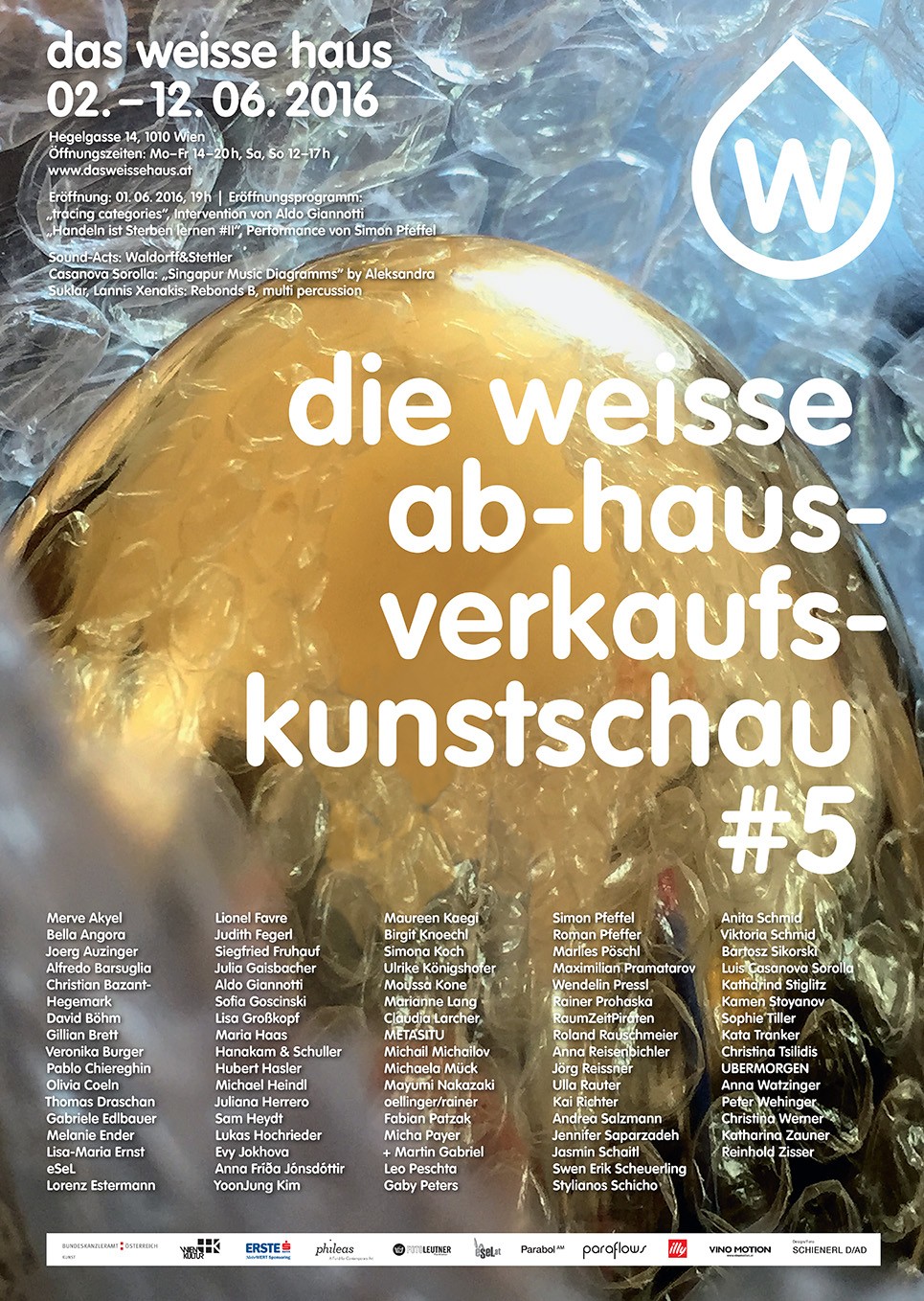
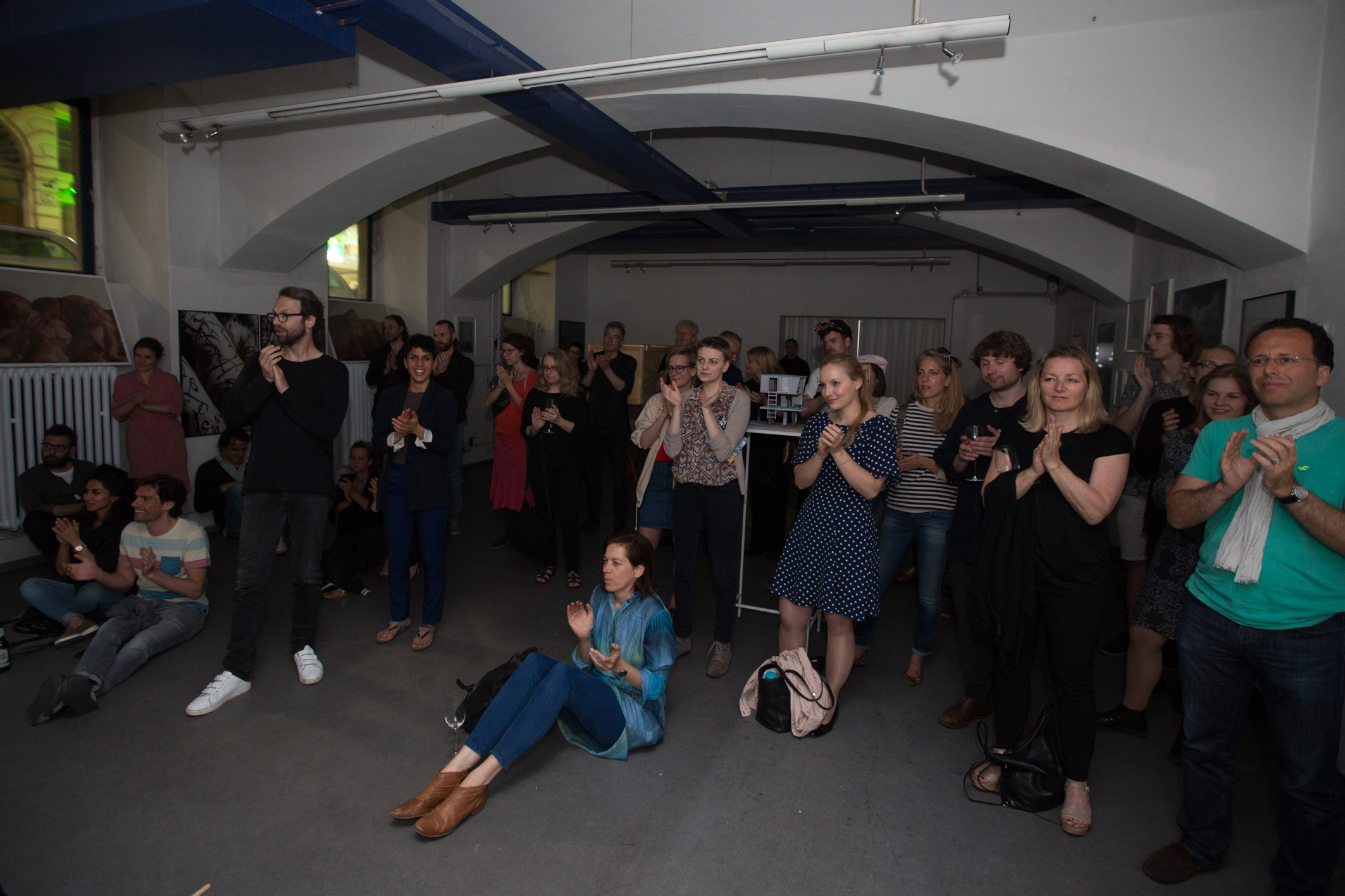
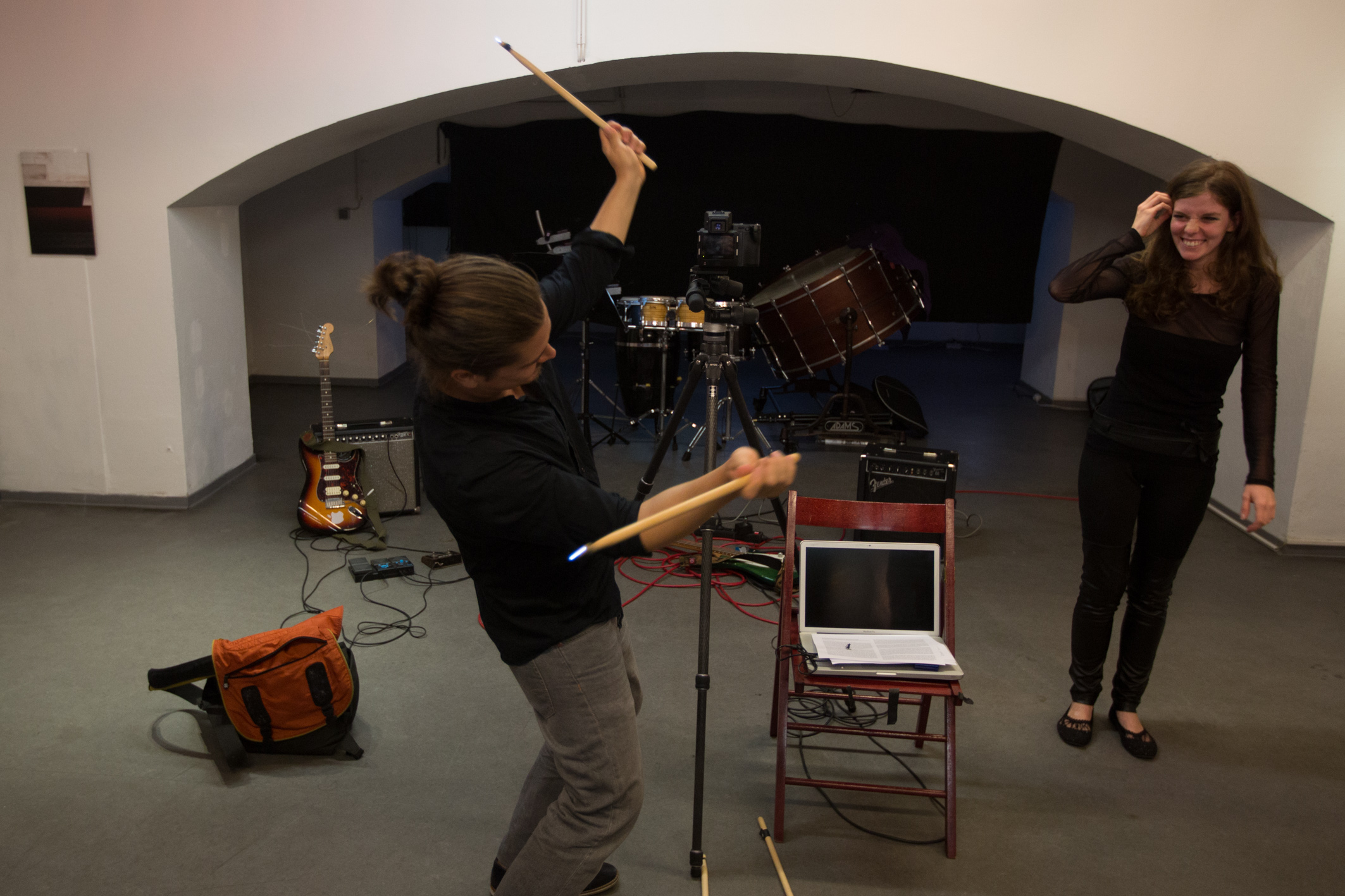
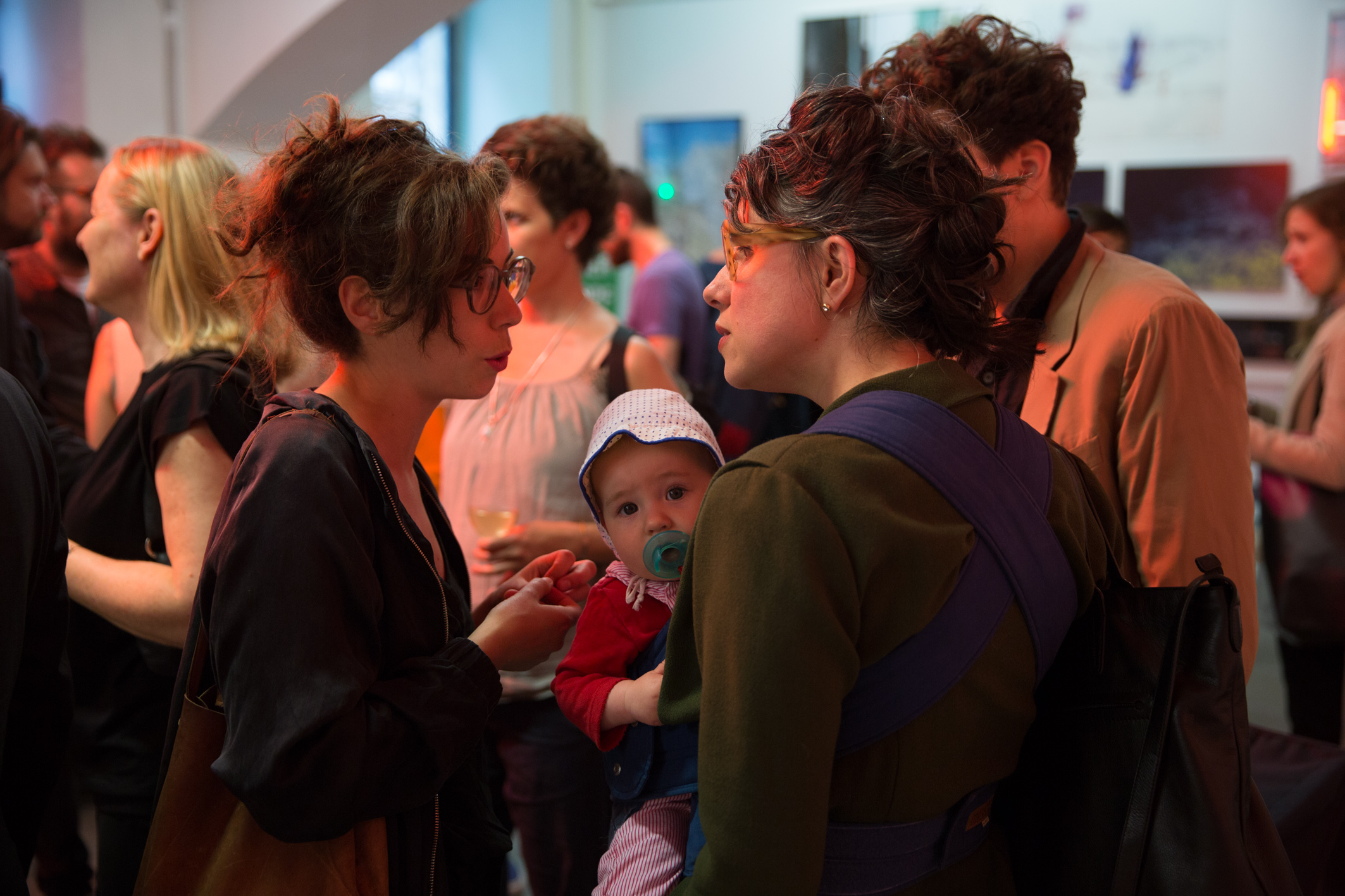
Das Weiss Haus
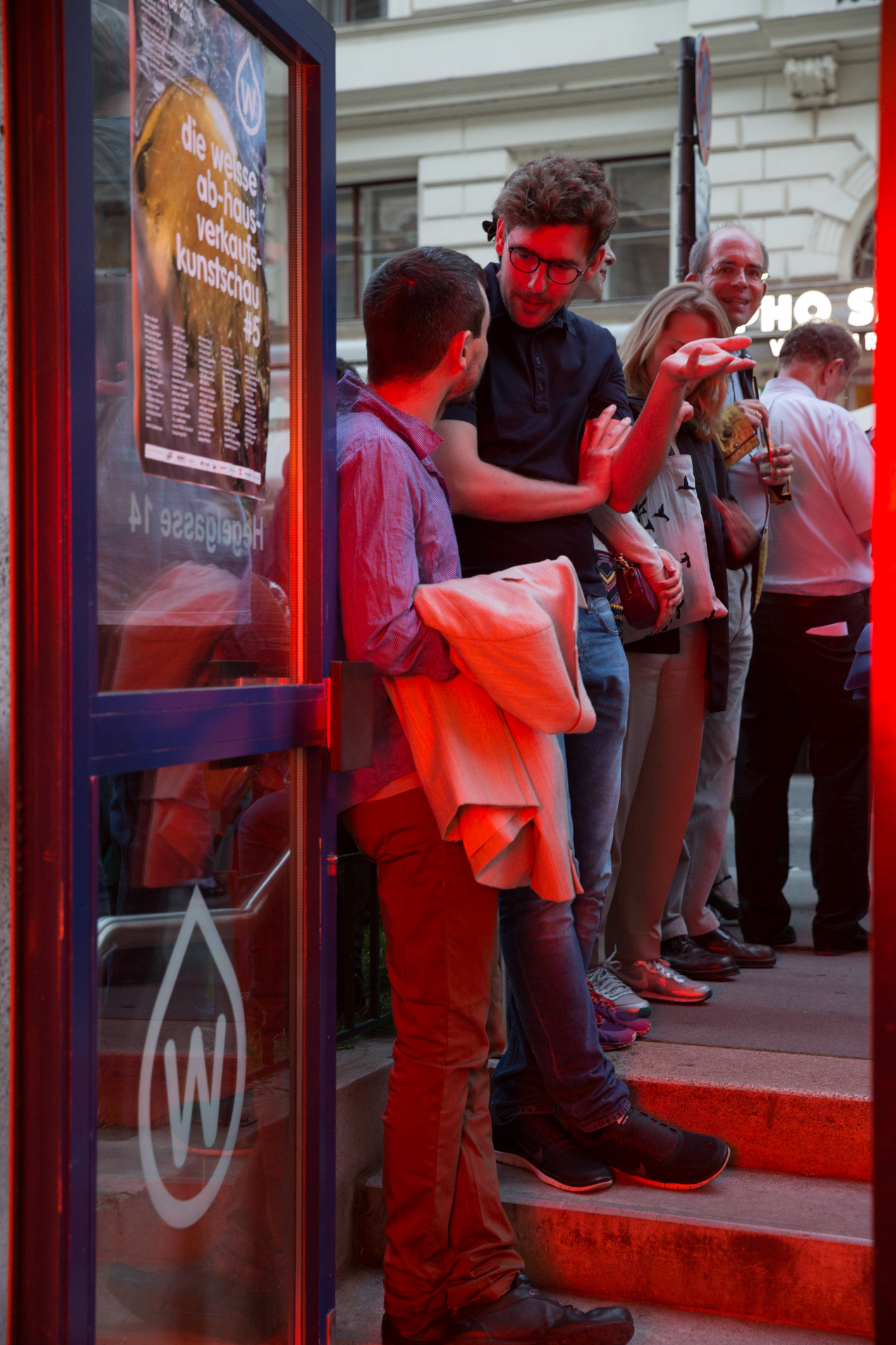
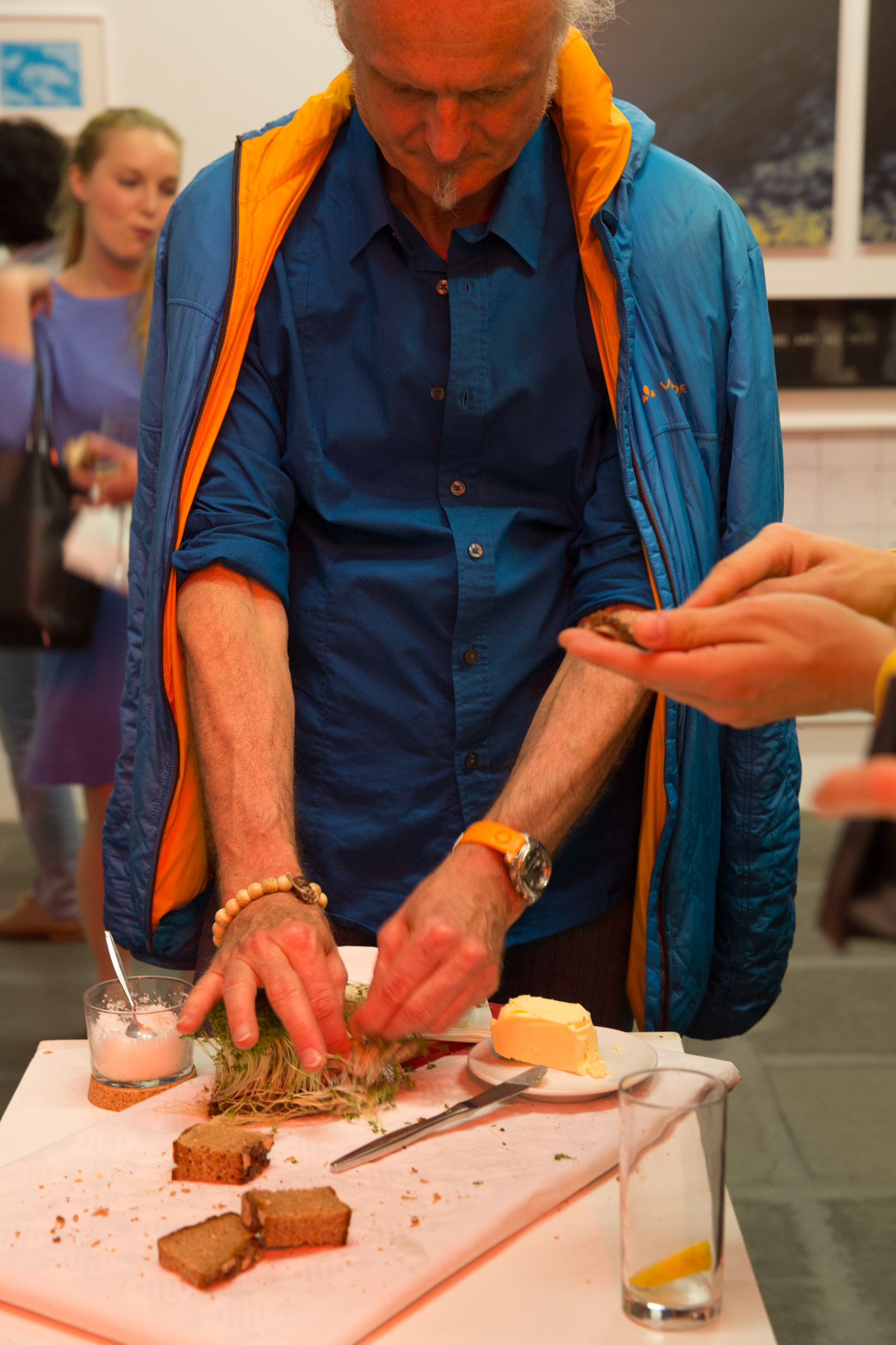
die weisse-ab-haus-verkaufs-kunstschau #5
Opening: Wednesday, 01.06.2016, 19h
Exhibition: 02.06.-06.12.2016
Venue: the white house, Hegelgasse 14, 1010 Vienna
opening times: Mon-Fri 14-20h, Sat, Sun 12-17h









Debating Disney: Pedagogical Perspectives on Commercial Cinema [contributor]
Debating Disney
Pedagogical Perspectives on Commercial Cinema
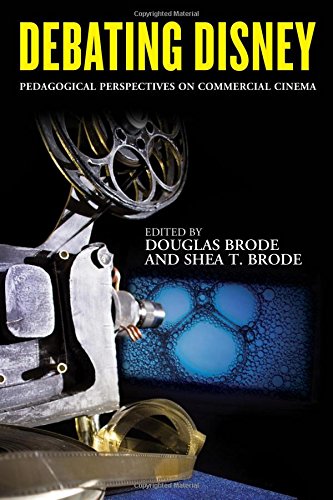

With stakes in film, television, theme parks, and merchandising, Disney continues to be one of the most dominant forces of popular culture around the globe. Films produced by the studio are usually blockbusters in nearly every country where they are released. However, despite their box office success, these films often generate as much disdain as admiration. While appreciated for their visual aesthetics, many of these same films are criticized for their cultural insensitivity or lack of historical fidelity.
In Debating Disney: Pedagogical Perspectives on Commercial Cinema, Douglas Brode and Shea T. Brode have assembled a collection of essays that examine Disney’s output from the 1930s through the present day. Each chapter in this volume represents the conflicting viewpoints of contributors who look at Disney culture from a variety of perspectives. Covering both animated and live-action films as well as television programs, these essays discuss how the studio handles social issues such as race, gender, and culture, as well as its depictions of science and history.
Though some of the essays in this volume are critical of individual films or television shows, they also acknowledge the studio’s capacity to engage audiences with the quality of their work. These essays encourage readers to draw their own conclusions about Disney productions, allowing them to consider the studio as the hero—as much as the villain—in the cultural deliberation. Debating Disney will be of interest to scholars and students of film as well as those with an interest in popular culture. [Now for sale on Amazon both in print and digital]
A Physicist’s Perspective on Heydt’s Less Time Then Before
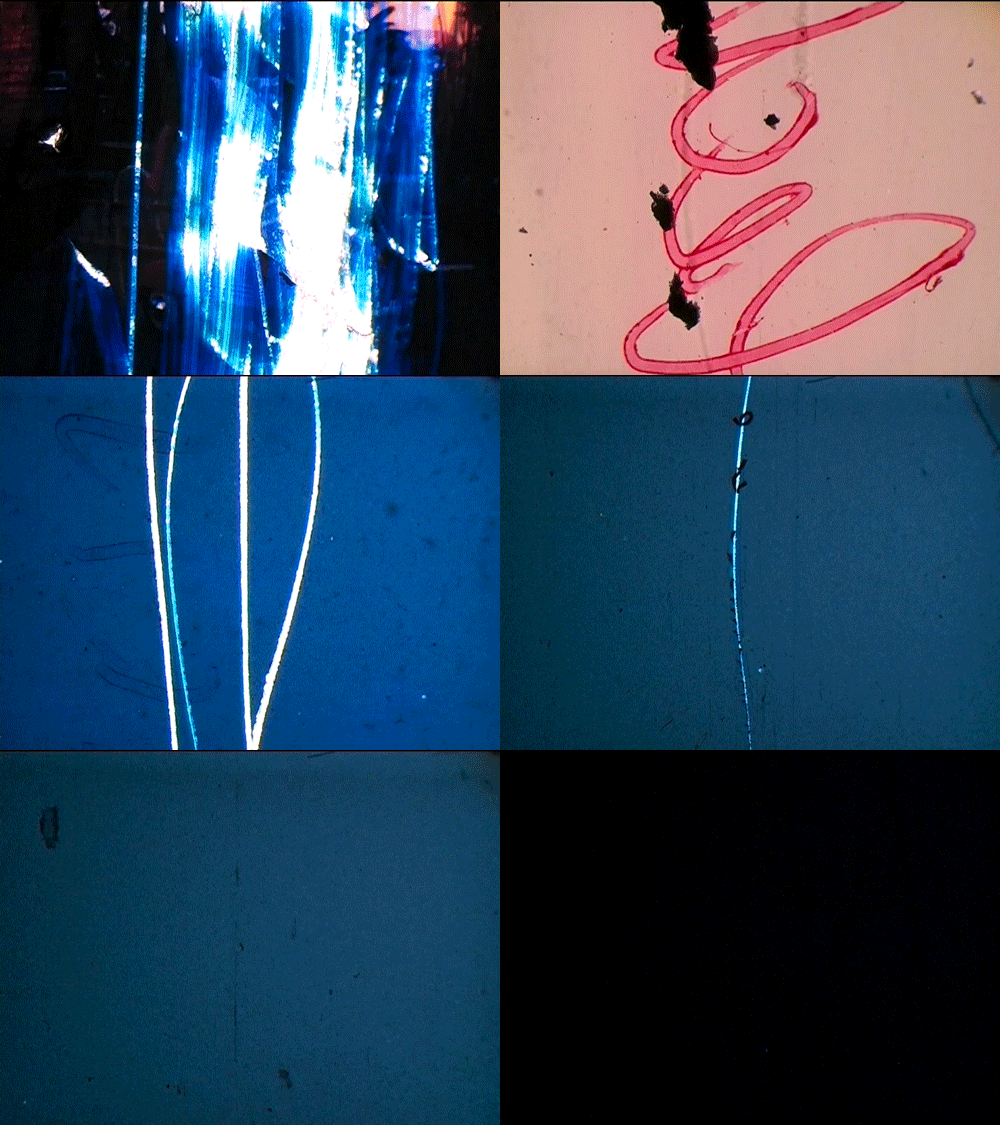
A Physicist’s Perspective on Heydt’s Less Time Then Before
Stephon Alexander
Perhaps the most mind-boggling concept in physics to physicists is not the invisible subatomic world, it is the most commonplace phenomena we experience..time itself. It is obvious to everyone that time flows in one direction. And it is obvious that the rate at which time flows is the same for everyone- your watch ticks at the same rate as the watch of anyone else. In 1905 Albert Einstein proved that two seemingly obvious perceptions were illusory. But this new window about temporal reality opened a Pandora’s box about so called objectivity in our physical reality- quantum subjectivity.
Sam Heydt’s Film, Less Time Then Before evokes the longstanding debate between physicists about the compatibility of Einstein’s theory of relativity with quantum theory. Interestingly both quantum theory and relativity have shattered over 2000 years of physics to include the role of the observer albeit in different arenas of physical reality. Quantum mechanics primarily concerns the microscopic atomic and sub-atomic world- a domain inaccessible to the naked eyes. Hence, the very act of making a measurement on the delicate subatomic entities actually disturbs their trajectories. Quantum theory can only partially take this into account and as a result there is an inescapable uncertainty or fuzzy logic in the quantum world due to the fact that observers are around.
In relativity the role of the observer is in striking contrast to quantum theory. Relativity’s concern is in the arena of motion. Einstein realized that there is no absolute state of motion. For example, we here on Earth sitting at rest would conclude from the experience that we are not moving. But for an observer at rest on the moon, the earth is moving and consequently, we are moving. Conversely, observers at rest on the Moon will be seen as moving relative to observers on Earth. Who is really moving? According to Einstein, it depends on your frame of reference. For moonlings the earthlings are moving. And for Earthlings the moonlings are moving. Therefore, motion is never absolute but relative.
The state of rest and motion are both on the same footing although they are experienced differently. Ever since Einstein was a child he wondered what the world would look like if he could ride a beam of light. The one absolute state of motion is that of light. In other words, regardless of what the motion of an observer is, they will all see light moving at the same speed. With a flash of insight that came from a dream, Einstein concluded that from the perspective of a beam of light, time would stand still, will not move-this is called time dilation. Therefore, not only will motion be relative but also the rate at which time elapsed would also be relative. Observers that move very fast would experience time elapse more slowly than observers that move less rapidly.
Heydt’s use of scratch film reveals a striking analogy to time dilation. A long line scratched on the film appears as an instant of time once the film is animated. In this sense the reverse from relativity occurs in scratch film. A slow shutter speed elongates the appearance of the etched line and a fast shutter. But the analogy goes further as Heydt’s films usually capture historical familial events. Here the more present reverse time dilated scratch co exist with the motion of the past capturing a multiple frame of reference simultaneously. The co existence of the objective (scratch) with the subjective (the events) paves a way to make the quantum inclusive with the relativity of frame of reference. This coexistence creates a newness of the past event, a rebirthing of events long past in the ever present moment of subjective observers that watch the film.

World Photography Interview
Photographer, artist, designer and filmmaker Sam Heydt, talks to us about her multimedia fine art and documentary photography that explores global social issues.
What Running Looks Like →
A scratch film by Sam HEYDT {2015)
‘The time of an instanteous presence that is no longer even the present moment in relation to a past or a future” (Baudrillard 30)
Entangled in an endless cycle of distraction, the western world inhabits the space of post-history where all grand narratives dissipate and technological dependency diminishes the tangibility of our experiences. Our collective consciousness has been reduced to a scattered blur that drifts from the new multiplex, the old strip mall, from one meal to the next, twitter, a text message, a coffee- medium or large, a cigarette, numbing hours of TV, all unnaturally constructed “needs”. Our attention is hijacked by the seductive glow of flickering promises tied to a brand. Ideologically encoded through the use of semiotics, advertisements posit meaning through the relational system of signs. There is no reality outside representation, but rather a socially constructed system of meaning. Subconsciously, we are structured by this repertoire of codes and grammar of meaning that dissects binary structures.
